On watchIndependent · Reader funded · No paywall
Local · 14:07

Peptide Testing: Hplc & Mass Specification Purity Guide Peak

By @caidenbugr328
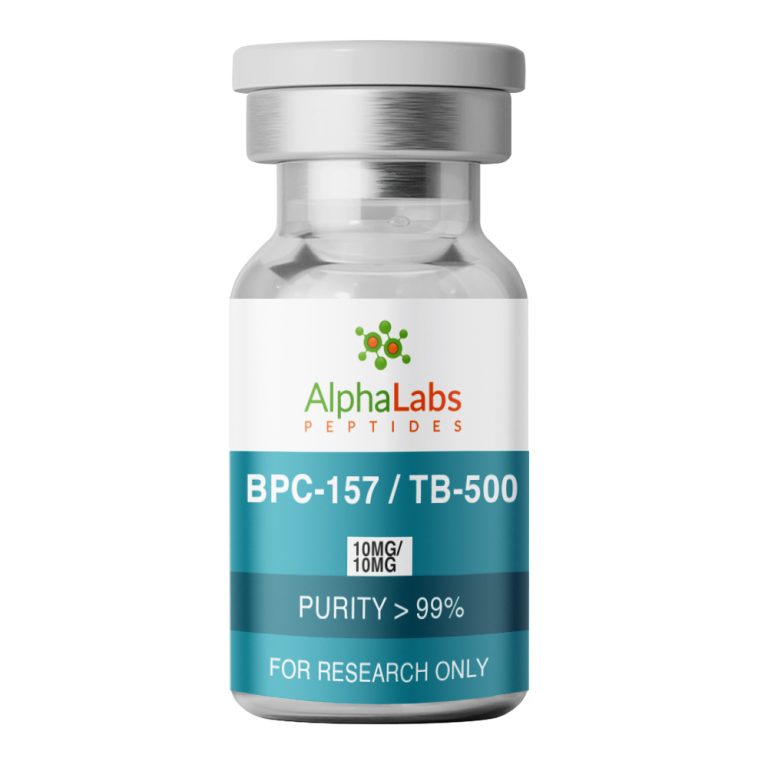
Peptide Testing: Hplc & Mass Specification Purity Overview Apex Identity confirmation confirms the particular secretagogue being examined. Peptides like BPC-157 and TB-500 made use of for injury recovery applications must obtain complete verification. Identification verification is critical given that alternative with various compounds would fundamentally transform the research technique. The testing process entails details steps to guarantee precise results and appropriate sample handling. For these high-stakes situations, the price of testing is trivial contrasted to possible consequences of using unverified items. For researchers adhering to procedures from sources like the BPC-157 and TB-500 piling guide, validated item quality ensures the method obtains a reasonable examination.

What Is Hplc?

A lot of 3rd event testers give both MS & HPLC in a solitary examination and will only notify you in the event that Mass Spec does not spot the proper series. As a finest method, constantly confirm that your tester is providing MS. Mass Spectrometry (MS) is the only trustworthy method to verify identification. HPLC confirms that a leading, relatively pure compound is present. Mass spectrometry (MS) verifies what that worsen really is. For us, pureness isn't simply a portion-- it's a pledge of integrity, uniformity, and regard for the science being done. So, purity isn't simply a number on a certification; it's essential to success. Peptide screening is the logical process used to validate that a research peptide is both pure and correctly recognized. HPLC steps chromatographic purity by separating the target peptide from related impurities and calculating main-peak location percent. Mass spectrometry validates molecular identification by checking whether the determined mass matches the expected peptide mass.

The Heights

Is 95% purity helpful for peptides?

Peptides with an 85% purity level or better are normally used in enzyme assays or organic activity researches. Peptides with purity more than 95% are excellent for measurable evaluation.
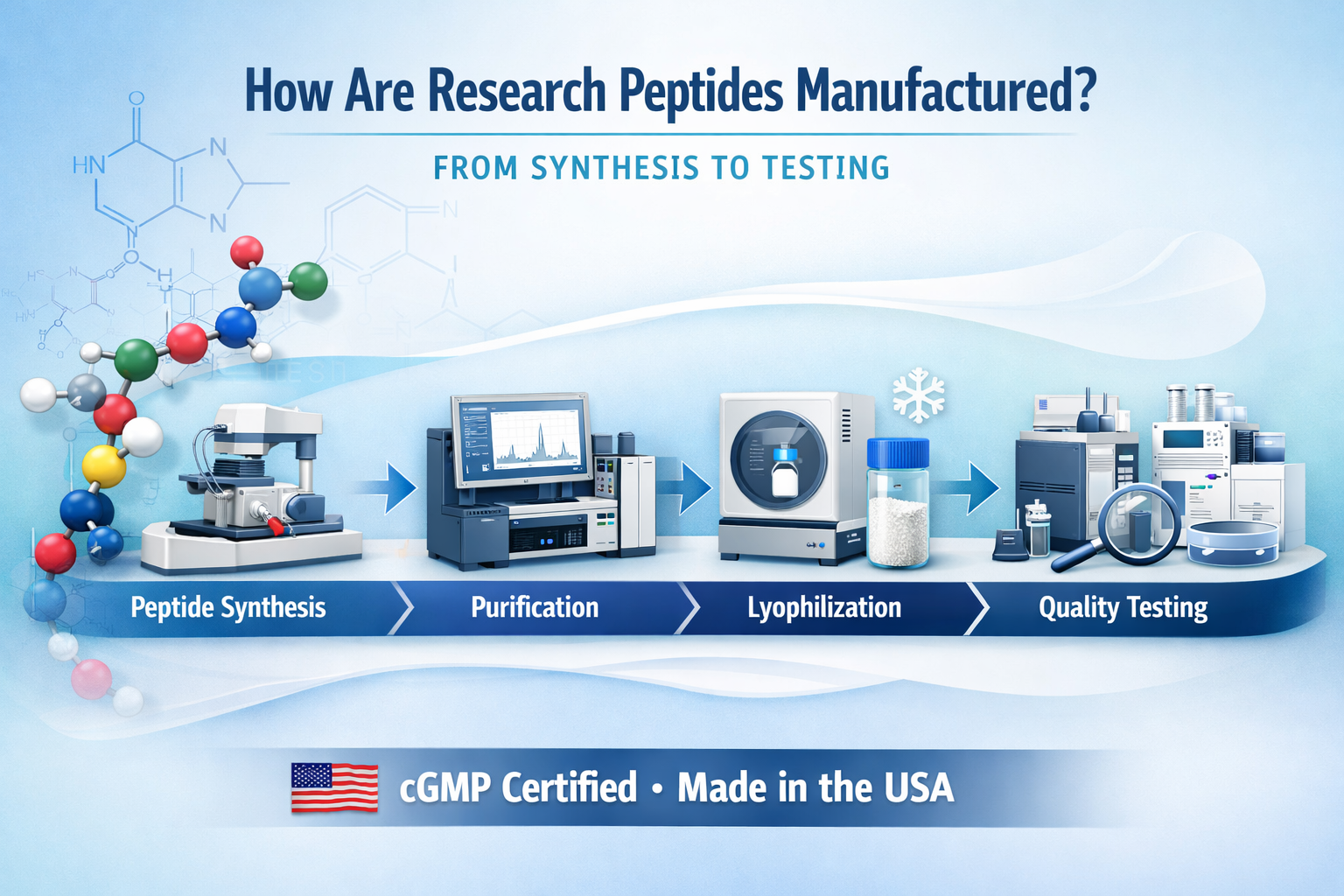
Peptides and their contaminations have various hydrophobicities and therefore spend different quantities of time interacting with the C18 fixed stage prior to eluting into the detector. A lot more hydrophilic substances elute very early (reduced retention time); more hydrophobic substances elute later (high retention time). The target peptide elutes at a particular retention time, and impurities elute at various times-- separating them spatially on the chromatogram. In the common peptide COA context, top purity normally describes the percentage of total chromatogram area represented by the primary peptide peak. It is an area-percent purity dimension, not a total identification or task test. Peptide testing is effective, however scientists ought to check out the extent of each approach carefully. The portion cost of testing decreases as order size rises, making verification increasingly budget-friendly on a per-unit basis. When protocols that ought to work do not create anticipated outcomes, product high quality comes to be a suspicious variable. Prior to abandoning a protocol or blaming specific reaction variant, validate that you're in fact using what you assume you're using. Your very first purchase from any kind of supplier need to be taken into consideration a test situation.
  • Researchers typically assess purity together with other high quality metrics rather than counting exclusively on a solitary percentage.
  • High-performance fluid chromatography (HPLC) confirms ≥ 99.3% purity, while mass spectrometry (MS) confirms molecular identity and architectural accuracy.
  • Peptide pureness is typically revealed as a portion, such as 95% or 98%.
Search our complete option of research study peptides and locate the substances you require in one location. Certification access minimizes uncertainty by allowing customers to validate identification, purity, and traceability TB-500 before purchase, which sustains reproducibility and reduces the danger of irregular batches. To create a purity worth, these optimals are drawn in (integrated) to determine the quantity of location they stand for in the chromatogram. If you have concerns about interpreting any kind of element of our COA paperwork, contact our research assistance group straight. We can go through the analytical data for any compound in our directory. The table listed below shows how purity specs relate to several frequently researched peptide courses. As soon as you have actually validated a supplier's top quality with testing, recurring acquisitions may not need private verification unless situations alter. Competitive athletes considering peptides face severe repercussions if products include banned substances not detailed on tags. Health-focused Selank applications including shot create straight safety and security effects from product quality. When looking into the most effective peptide suppliers, independent testing of real items offers even more trusted info than testimonials or advertising cases. Finnrick provides an independent screening system especially made for the peptide market. The organization has evaluated over 4,500 samples from greater than 169 vendors, developing a significant data source of relative top quality details. These are basic research study context observations, not item specs. Methionine and cysteine deposits can be susceptible to oxidation. Oxidation changes molecular buildings and can move retention actions, producing distinct chromatographic heights or relevant mass shifts. Asparagine and glutamine deposits can go through deamidation, altering the peptide's charge and hydrophobicity. Deamidation is one reason storage space conditions matter, particularly after a peptide has been reconstituted. Together with this peptide testing guide, those web pages create the trust-methodology layer behind the product directory. The United States Pharmacopeia considers 98% the minimum appropriate standard. For accuracy applications, structural biology, or safety-critical uses, focus on 98%+ pureness. The peptide dose chart assumes reasonable pureness degrees for exact dosing. Peptides like GHK-Cu utilized for skin applications might be used topically rather than injected. While injection-grade requirements may be less vital for topical usage, identification verification continues to be crucial to ensure the desired compound is being applied.

Corrections

Spot something wrong? Send it to the desk and it gets fixed in the open.